 Getaway Pines
National Park Photo Spots at Sunrise: A Repeatable Method
By Travel Planner & Researcher · Updated October 15, 2026
Most park photo spots fail for the same three reasons: the light is overhead, the lot is full, or the foreground is boring. All three are fixable by arriving before sunrise and choosing a foreground with a subject in it. This is the method, then the parks where it pays off most.
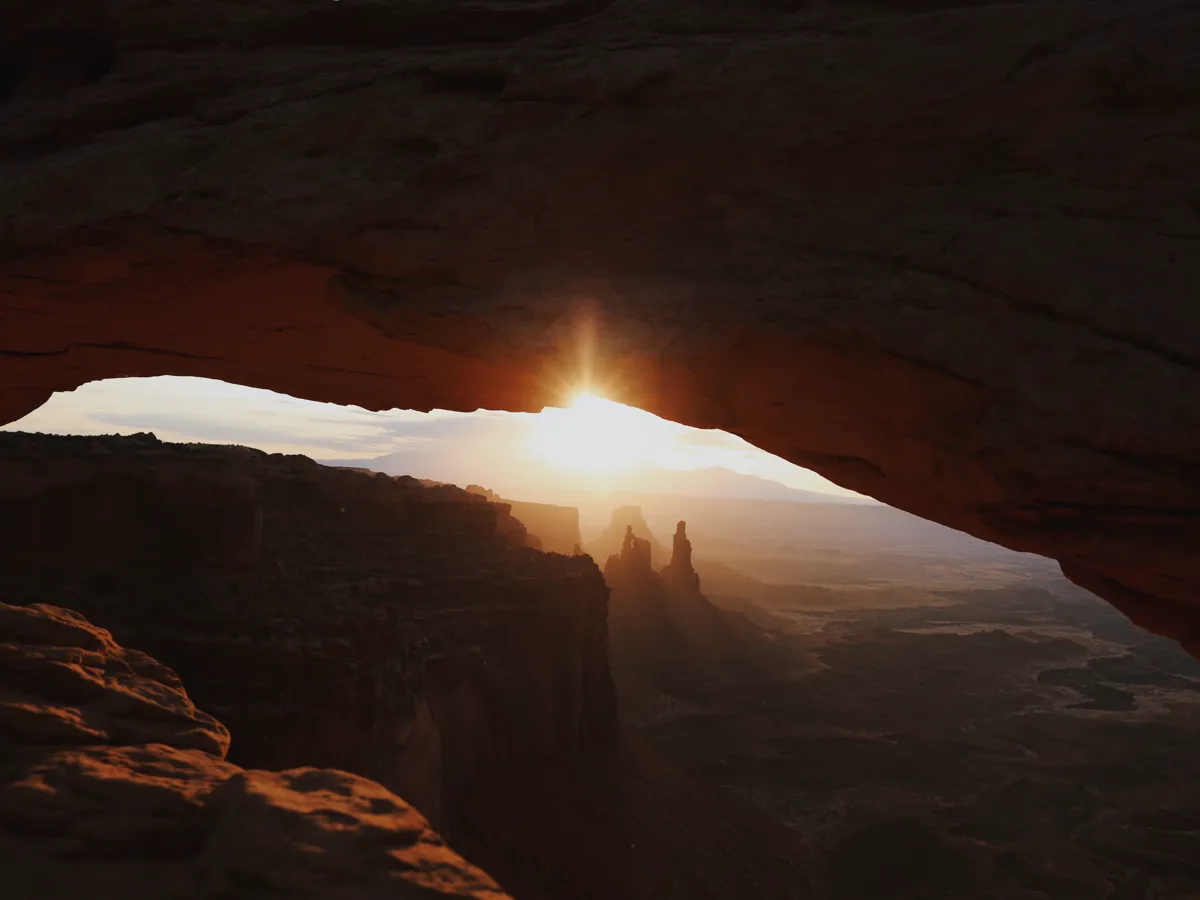
The stops, in order
1. Choose a foreground, not a view
- Photo spot:
- A viewpoint alone gives you a flat postcard. Add something at your feet — a tree edge, a rock, a fence line, a curve of water — and the frame gets depth. This single choice changes more photos than any lens will.
- Eat:
- Whatever the nearest gateway town has that opens before 7am.
- Cost:
- Free. It is a decision, not a place.
2. Arrive 45 minutes before posted sunrise
- Photo spot:
- The color runs both directions: the cool blue before, the warm after. If you arrive at sunrise you get only the second half. Arriving early costs you nothing but sleep.
- Eat:
- Bring it. Nothing is open.
- Cost:
- Free.
3. Parks that reward it most — desert
- Photo spot:
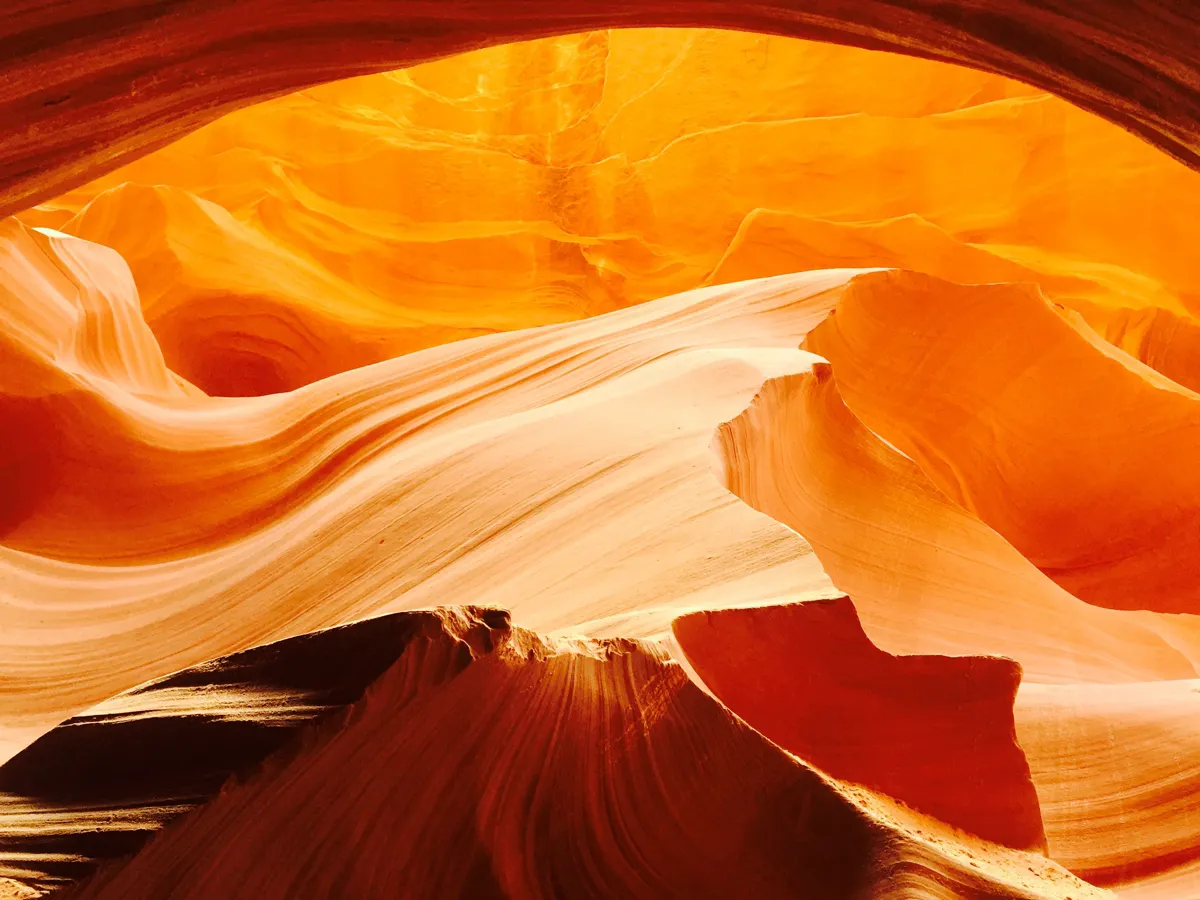
- Desert parks give you the widest light window and the least cloud. Low sun rakes across the rock and the shadows do the composing for you.
- Eat:
- Gateway town the night before.
- Cost:
- Entrance fees vary per park and per vehicle — check the park's official fees page before you drive.
- Note:
- Joshua Tree, Arches, Canyonlands, Death Valley.
4. Parks that reward it most — mountains
- Photo spot:
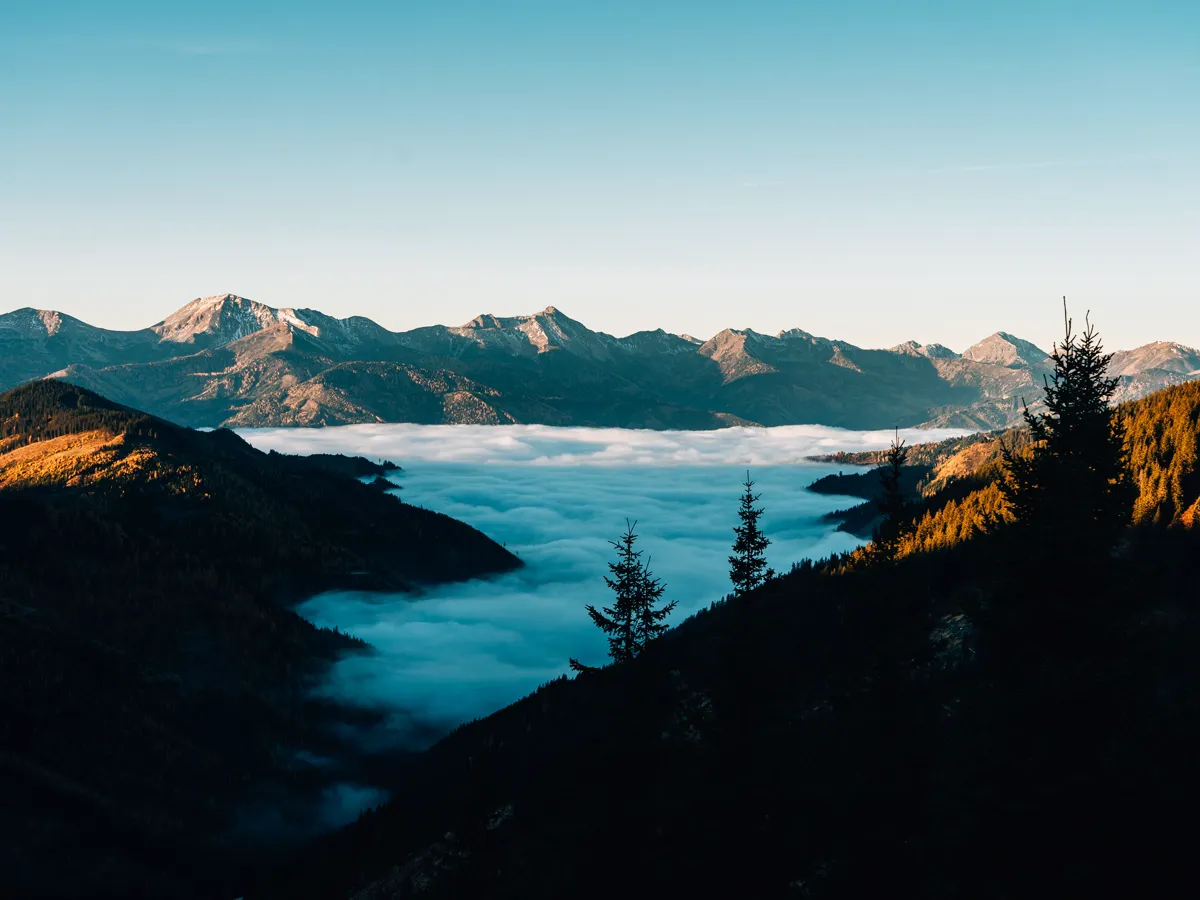
- Mountain parks give you fog in the valleys at dawn, which is the single most forgiving condition in photography. It hides the boring middle distance and isolates the ridges.
- Eat:
- Nothing inside. Eat after.
- Cost:
- Varies by park. Great Smoky Mountains charges no entrance fee; most others do.
- Note:
- Great Smoky Mountains, Shenandoah, Rocky Mountain, North Cascades.
5. Parks that reward it most — coast
- Photo spot:
- Coastal parks give you the shortest usable window — roughly twenty minutes around sunrise — and the biggest payoff if you hit it. Scout the spot the afternoon before.
- Eat:
- Nothing at the overlook.
- Cost:
- Varies by park.
- Note:
- Acadia, Olympic, Channel Islands, Cape Cod National Seashore.
What it actually looks like
Where this starts
Questions people ask
How early is early enough for a sunrise shot?
Forty-five minutes before the posted sunrise time. That gets you set up while the sky is still cool and blue, and it leaves room for the walk in without rushing.
Do all national parks charge an entrance fee?
No. Great Smoky Mountains, for example, charges no entrance fee. Most others charge per vehicle for a 7-day window, and several have free-entry days each year. Check the specific park's official fees page — the rates change.
What if it is cloudy at sunrise?
Cloud is not the same as overcast. Broken cloud catches the light and usually beats a clear sky. Flat grey cloud is the only case where you should sleep in and come back at sunset instead.
Is a tripod allowed at these overlooks?
Generally yes, on the developed overlooks and trails. Some parks restrict tripods on specific structures or during crowded events, and a few require permits for commercial shoots. Check the park's photography page if you are shooting to sell.